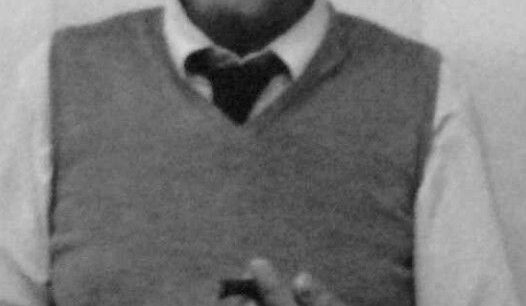
Gino Albini lead a life, blurred by drugs, money and power. Mudslinger during the day, he worked concrete with his young family and criminal by night lurking in the shadows burglarzing houses and people. He moved up to safecracking and finaly the easier and more lucrative drug peddling. The lure of quick money and luxury pulled Gino into the world of Buffalo Organized crime. Gino lived a life woven into the American criminal enterprise, rubbing shoulders with men such as Joseph Moses, Salvatore Pieri, da Big Boss in Niagra falls, Stephano Magaddino, Santos Traficante and even Meyer Lansky.
Early Life and Family Roots
Gino was born on October 1, 1934, in Buffalo, New York. He was the son of Italian immigrants Adamo “Adam” Albini and Enrichetta Feneziani. The Albini household was rooted in the working-class neighborhoods of Buffalo, with Gino attending School 6 in June 17, 1949.
The Young Contender (1950s)
In the early 1950s, Gino sought a path through physical prowess and entrepreneurship.
- The Ring: In 1955, at age 20, Gino was an active professional boxer. His matches were covered by the local press, portraying a young man of significant physical strength and local notoriety.
- Family Man: On December 31, 1955, he married Mary Jane Gravante in Buffalo. The couple would have two children: Linda Christine (1956), Dina M. (1959).
- Financial Turbulence: Despite his ambitions, 1955 was a year of hardship; Gino filed for bankruptcy in June of that year, shortly after his boxing career peaked.
Entrepreneurship and the Underworld (1960–1969)
Gino’s professional life split into two distinct paths: legitimate concrete work and a series of high-stakes criminal activities.
The Concrete Business
Gino was a skilled laborer and business owner. He established several ventures, most notably Albini Concrete at 1022 Jefferson Avenue. Even following his death, his reputation for concrete and cement work remained a point of record in the Buffalo business community.
Criminal Conflict
The 1960s saw Gino’s name frequently appearing in the crime columns of The Buffalo News and the Courier-Express:
- Weapon and Drug Charges: He faced numerous arrests for carrying concealed firearms (famously hiding a gun in a sack in 1960) and was identified by police as a street peddler of heroin in 1961.
- The Nazella Burglary: In October 1961, Gino was sentenced to the Attica Correctional Facility for his role in a burglary. He was eventually paroled in May 1968.
- The Safe-Cracker: Police records often linked him to sophisticated safe-burglaries, noting that tool marks on door frames in several heists matched the signatures of his crew.
The Final Year and The Connecticut Club
By 1969, Gino had acquired the Connecticut Club in a John Sacco building. This period marked his transition into the role of a club owner, but the violence of the street followed him. In November 1969, a fight at the Ivanhoe Tavern led to the death of Thomas Trent, bringing intense police scrutiny to Gino’s doorstep. By early 1970, Gino was moving in circles that included figures like Stanley Seneca, Sam Pieri, and Santos Trafficante.
Death and The Long Investigation
On June 11, 1970, Gino P. Albini was murdered in Buffalo at age 35. The hit was described as a “gang-style killing.”
The investigation and subsequent legal battles spanned over a decade:
- The Arrests: Frank Metcalf and Joseph Spano were initially arrested for the murder. In a rare move for a gangland hit, both were granted bail in August 1970.
- The Elaine Stec Connection: In 1971, the skeletal remains of Elaine Stec were found in a West Side sewer. During the 1976 trial of Carmen LaBruna, witnesses alleged that Gino had been present during the assault on Stec, suggesting that the violence of Gino’s circle was even more depraved than initially believed.
- The Final Word: Testimony in 1979 and 1980 labeled Gino a “pigeon” (target or informant) within the underworld. While some associates like Frank Tripi were cleared of his murder in 1980, the general consensus of the court records pointed to a betrayal within his own ranks.
Timeline Summary:
- 1934: Born in Buffalo.
- 1949: Graduated School 6; Brother Robert goes missing.
- 1955: Boxing career; Bankruptcy; Marriage to Mary Jane.
- 1961: Sent to Attica.
- 1968: Paroled; Starts Albini Concrete.
- 1970: Murdered in Buffalo.
- 1976–1980: Major trials regarding his murder and his association with Carmen LaBruna.
True Noir Crime Writer