Elaine Christine Stec’s life, though tragically cut short, reveals a trajectory from a promising youth to a challenging young adulthood, culminating in a mysterious and ultimately solved murder.
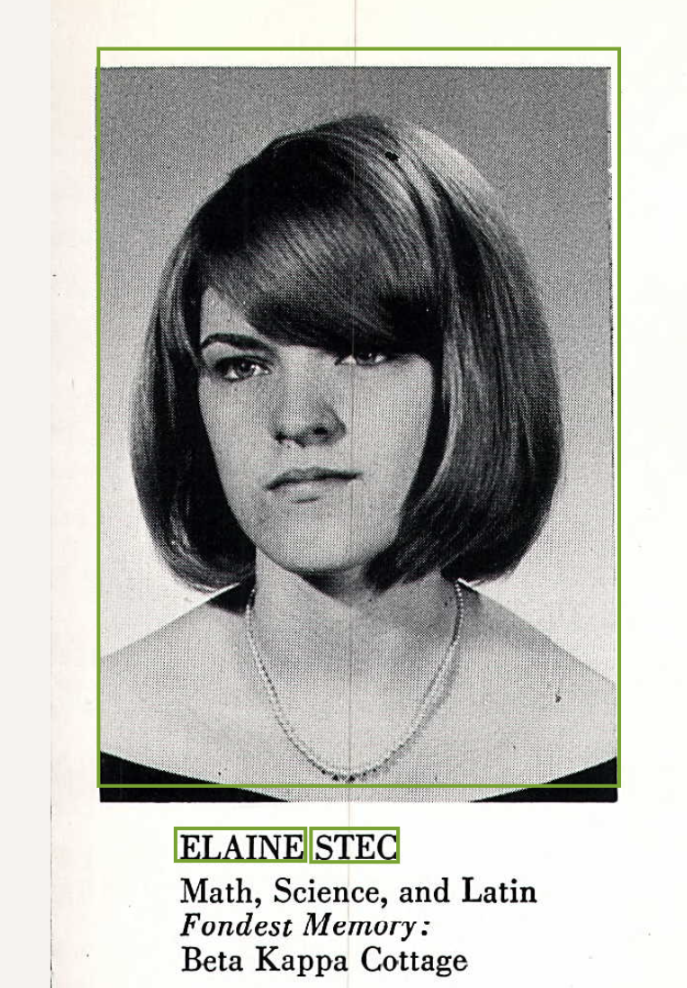
Early Life and Academic Promise (1948 – 1966)
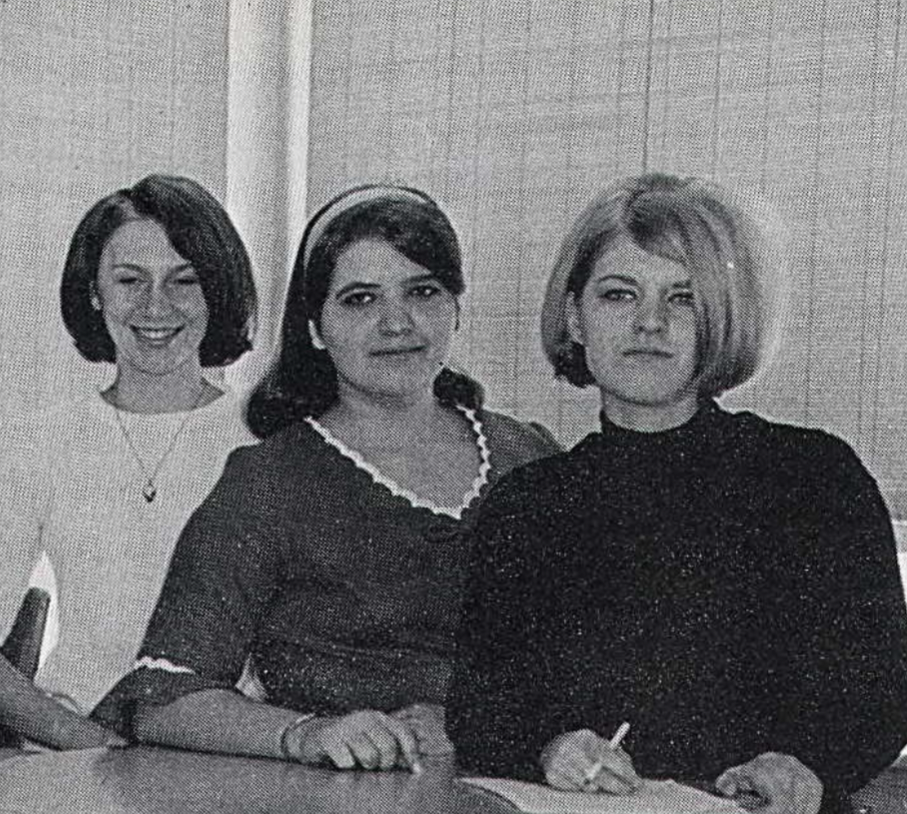
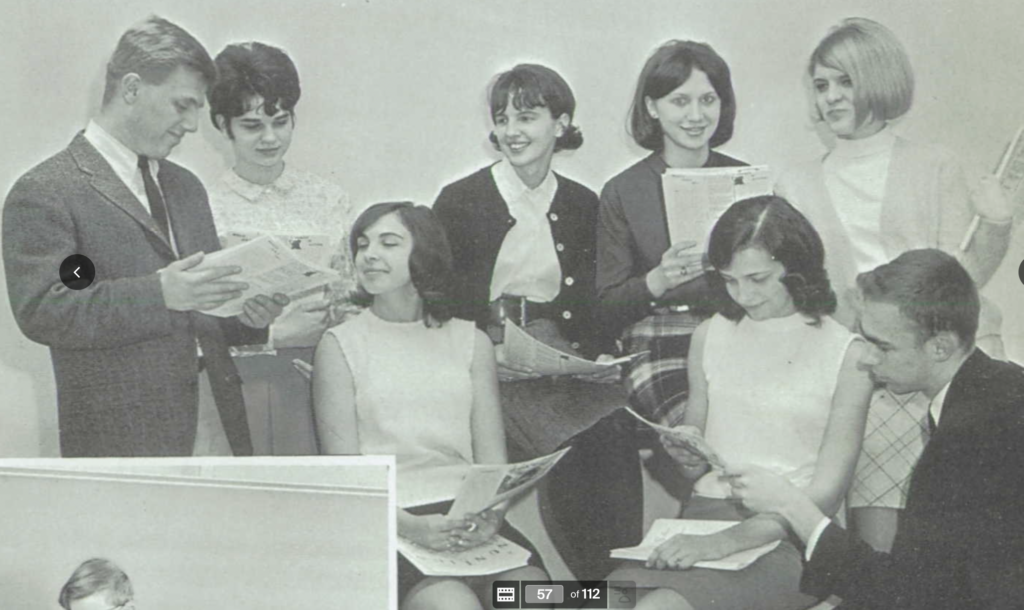
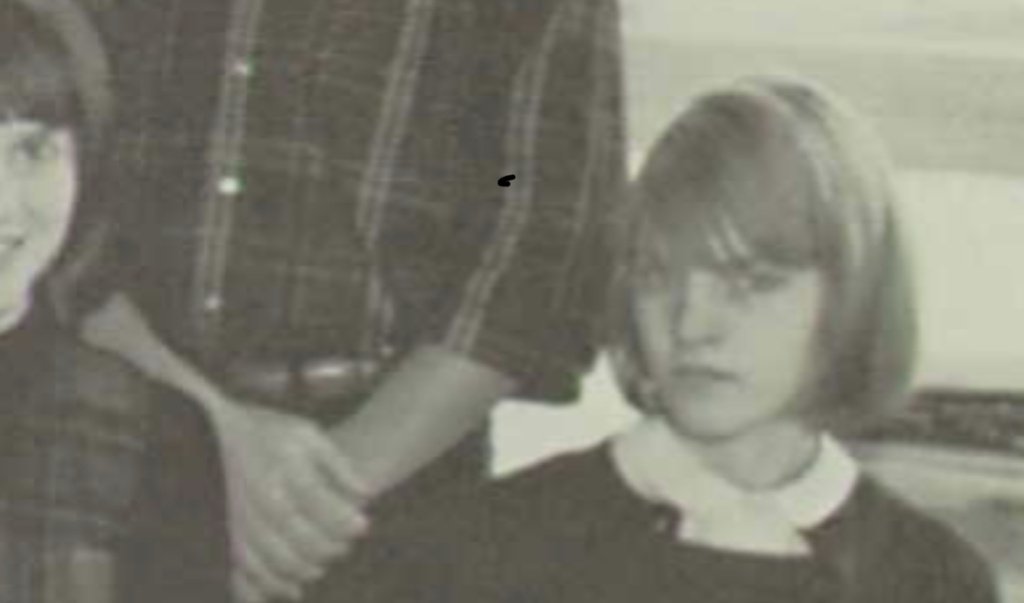
Born on August 22, 1948, in Buffalo, New York, Elaine began her life as the daughter of Walter C. Stec and Eleanor Stec. Her early years saw her family residing in Buffalo, before moving to Cheektowaga, New York, sometime between 1950 and 1964. During her time in Cheektowaga, Elaine demonstrated academic aptitude, consistently appearing on the honor roll in 1962 and 1964. She also engaged in extracurricular activities, participating in both the choir and chorus in 1963. These details paint a picture of a young woman who was academically engaged and involved in her school community. Her graduation in Buffalo in June 1966 from John F Kennedy Highs School marked a transition from her formative years.:
Emerging Independence and Challenges (1966 – 1970):
As Elaine entered young adulthood, the narrative shifts, suggesting a period of increased independence and perhaps some brushes with the law. While still residing in Cheektowaga in 1966, an incident in November 1967 saw her, along with two other Buffalo teens, fined for gas theft. This indicates a departure from her earlier, seemingly more structured life. Further minor infractions appear in 1970, with two speeding tickets in April. These events, though seemingly small, hint at a period where Elaine was navigating the complexities of young adult life, potentially testing boundaries or facing personal challenges.
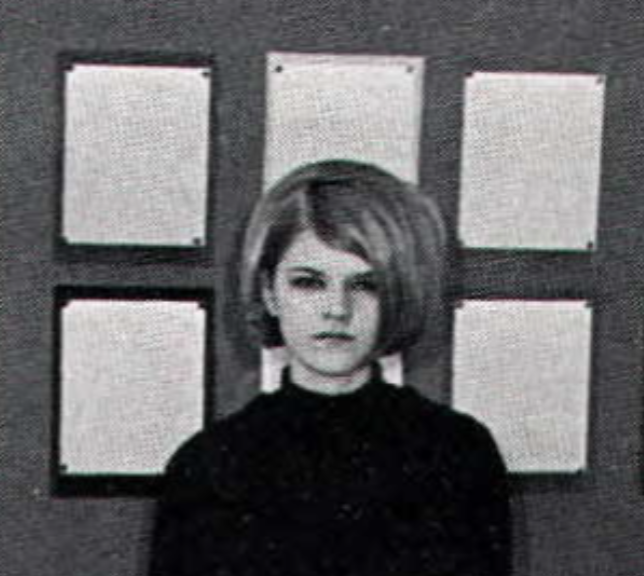

Tragic Disappearance and Discovery (1970 – 1971):
The most poignant and defining period of Elaine’s life begins in June 1970, when she went missing. Her disappearance was noted publicly by July 31, 1970. The search for her ended tragically on April 20, 1971, when a female skeleton was discovered in a sewer in Buffalo. The following day, the skeleton was identified as Elaine Christine Stec, confirming her death at the young age of 21. Her obituary followed shortly after, and she was buried in Cheektowaga. This period marks a profound and devastating end to her life, transforming her story from one of youthful potential to a cold case.

Posthumous Quest for Justice (1971 – 1986):
Even after her death, Elaine’s story continued to unfold through the legal system. In 1975, Carmen Labruna was accused and subsequently indicted for her murder, five years after her disappearance. The trial began in September 1976, with details emerging about the circumstances surrounding her death, including witness testimonies. The legal proceedings continued for years, with Labruna remaining in jail and an appeal in 1986, indicating a prolonged struggle for justice on behalf of Elaine.


In summary, Elaine Christine Stec’s life was a brief but impactful one, characterized by early academic and social engagement, followed by a period of youthful indiscretions, and ultimately, a tragic and untimely death that led to a lengthy pursuit of justice. The available records paint a picture of a young woman whose life was cut short, leaving behind a legacy of unanswered questions that were eventually addressed through the legal process.